Getting more personal injury clients isn’t about luck—it’s about building systems that consistently attract high-value cases to your law firm.
If you’re reading this, you probably know the frustration. You’re a skilled attorney who wins cases, but finding new clients feels like a constant uphill battle. The competition is fierce, and every personal injury law firm in your market seems to be fighting for the same leads.
Here’s the good news: with the right marketing approach, your firm can stand out and attract a steady stream of qualified clients. This guide breaks down 15 proven strategies to help you get more personal injury clients—without wasting money on tactics that don’t deliver results.
Key Takeaways
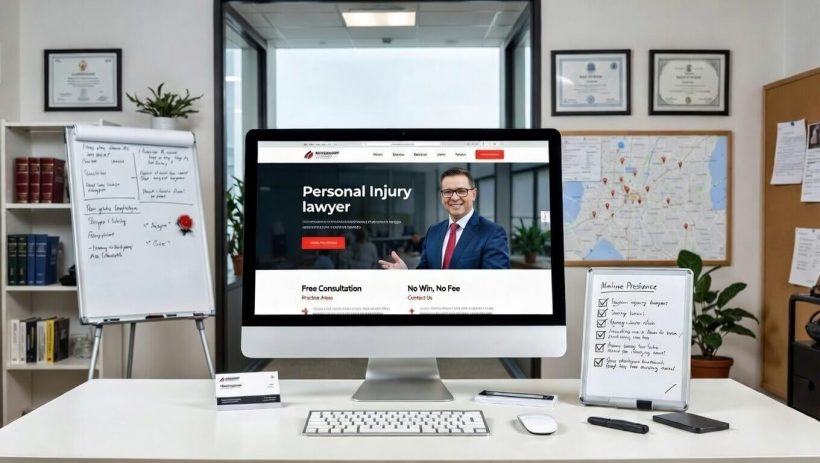
- A strong online presence (website + local SEO) is your foundation for attracting personal injury leads
- Speed matters—responding to inquiries within 5 minutes dramatically increases conversion rates
- Building referral networks with other attorneys and medical professionals creates a sustainable pipeline
- Reputation management through reviews can make or break your marketing efforts
- Combining multiple channels (SEO, PPC, referrals, and content) delivers better results than relying on one source
Why Marketing Matters for Personal Injury Lawyers
The personal injury space is one of the most competitive legal markets. Potential clients have dozens of options when they search for representation, and most will contact only 2-3 firms before making a decision.
That means visibility is everything.
According to the American Bar Association, over 90% of people looking for a lawyer start their search online. If your firm doesn’t show up when someone searches “personal injury lawyer near me,” you’re losing cases to competitors who do.
But marketing isn’t just about being seen. It’s about building trust with people who are often going through the worst moments of their lives. They need an attorney they can rely on—and your marketing should communicate that reliability before they ever pick up the phone.
Let’s dig into the strategies that actually work.
1. Build a Website That Converts Visitors Into Clients
Your website is the foundation of your marketing efforts. It’s often the first impression potential clients have of your firm, and it needs to do more than just look professional.
A high-converting law firm website should include:
- Clear contact information on every page (phone number in the header is essential)
- Mobile-responsive design since most accident victims search from their phones
- Fast loading speed under 3 seconds—anything slower loses visitors
- Practice area pages that address specific case types (car accidents, truck accidents, slip and falls)
- Case results and testimonials that build credibility
- Multiple contact options, including forms, phone, and live chat
One critical mistake many personal injury law firms make? Burying their phone number at the bottom of the page. Someone who just got in an accident doesn’t want to hunt for contact information. Make it obvious and accessible.
Pro tip: Add a click-to-call button for mobile users. When someone can tap once to call your office, they’re more likely to reach out.
2. Dominate Local Search With SEO
When someone types “personal injury attorney near me” into Google, where does your firm show up?
If you’re not in the top 3 results—or at least on the first page—you’re missing out on your best leads. Local SEO is how you get there.
Google Business Profile optimization is the starting point. Claim your profile if you haven’t already, then optimize it by:
- Verifying your business information is accurate and complete
- Selecting the correct primary category (“Personal Injury Attorney”)
- Adding high-quality photos of your office and team
- Posting updates about your practice regularly
- Collecting reviews from satisfied clients
Citations and NAP consistency also play a major role in local rankings. Your Name, Address, and Phone number need to be identical across every directory, website, and listing where your firm appears. Even small discrepancies (like “Street” vs “St.”) can hurt your rankings.
For personal injury attorneys, geographic targeting matters tremendously. Create location-specific landing pages if you serve multiple cities. A page optimized for “Atlanta car accident lawyer” will outperform a generic practice area page when Atlanta residents search for help.
3. Create Content That Answers Client Questions
Content marketing isn’t about churning out blog posts nobody reads. It’s about answering the questions your ideal clients are actually asking.
Think about what someone searches for after an accident:
- “What should I do after a car accident?”
- “How much is my personal injury case worth?”
- “Do I need a lawyer for a minor car accident?”
- “How long do I have to file a personal injury claim?”
When your firm’s content answers these questions thoroughly and helpfully, you accomplish two things. First, you attract organic search traffic from people who need your services. Second, you demonstrate expertise that builds trust before they ever contact you.
Here’s a content framework that works:
| Content Type | Purpose | Example Topics |
|---|---|---|
| Educational guides | Build trust and attract traffic | “Complete Guide to Filing a Personal Injury Claim” |
| FAQ pages | Answer common questions | “Personal Injury FAQ: 25 Questions Answered” |
| Case type pages | Target specific searches | “Truck Accident Lawyer: What You Need to Know” |
| Local content | Capture geographic searches | “Car Accidents in [Your City]: Statistics and What to Do” |
The key is quality over quantity. One comprehensive, well-researched guide will outperform ten thin blog posts that barely scratch the surface. If you’re not sure how to structure a blog post for SEO, start there before creating content.
4. Get Listed in Legal Directories
Legal directories serve two purposes: they provide direct exposure to potential clients and strengthen your SEO through high-quality backlinks.
The major directories every personal injury attorney should prioritize include:
- Avvo — Aim for a 10.0 “Superb” rating by completing your profile and collecting peer endorsements
- FindLaw — Free listings available; premium options for additional visibility
- Justia — Strong organic rankings in many markets
- Super Lawyers — Prestigious recognition that builds credibility
- Martindale-Hubbell — Long-established directory with AV ratings
- OnToplist’s Personal Injury Lawyers directory — Focused category for legal practices
Complete your listing profiles fully on each web directory. Include your practice areas, years of experience, case results (where permitted), and contact information. Incomplete profiles rank lower and convert worse than detailed ones.
Quick win: Start with free listings and track which directories actually send clients your way before investing in premium placements.
5. Invest in Pay-Per-Click Advertising
PPC advertising through Google Ads puts your firm at the top of search results immediately—but it comes at a cost. Personal injury keywords are among the most expensive in any industry, with some terms exceeding $100+ per click.
That doesn’t mean PPC isn’t worth it. For many firms, it’s a primary source of high-value cases.
To make PPC profitable, focus on:
Keyword targeting — Bid on high-intent keywords like “personal injury lawyer near me” or “car accident attorney [city]” rather than broad informational terms.
Landing page optimization — Send clicks to dedicated landing pages, not your homepage. Each landing page should match the ad’s message and make contacting your firm effortless.
Negative keywords — Exclude terms that attract unqualified traffic. Add negatives like “free,” “pro bono,” “jobs,” and “salary” to avoid wasting budget on people who aren’t looking for representation.
Call tracking — Implement dynamic number insertion to track which campaigns and keywords generate actual calls and cases. Without tracking, you’re flying blind.
Google’s Local Services Ads (LSAs) offer an alternative pay-per-lead model that many personal injury firms find effective. You only pay when someone contacts your firm, which can be more cost-effective than traditional PPC in competitive markets.
6. Build a Referral Network That Feeds Your Practice
Referrals from other attorneys and professionals often produce the highest-quality personal injury cases. Someone who comes recommended by a trusted source is more likely to sign and less likely to shop around.
Attorney Referrals
Other lawyers are your best referral sources—especially those who don’t handle personal injury cases. Criminal defense attorneys, family & divorce lawyers, and estate planners all encounter clients who need injury representation.
Build these relationships by:
- Attending local bar association events and networking groups
- Offering clear referral fee arrangements (where ethically permitted)
- Referring cases outside your practice areas to others
- Following up with thank-you notes when you receive referrals
- Being specific about your ideal case profile so referrers know what to send
Medical Professional Referrals
Doctors, chiropractors, and physical therapists see accident victims before attorneys do. Building relationships with medical professionals creates a pipeline of clients at the earliest stage.
Approach this carefully. Introduce yourself to providers in your area, offer educational lunch-and-learns about the legal process, and make yourself available as a resource without crossing ethical lines.
Past Client Referrals
Satisfied clients talk. In fact, research suggests that established personal injury practices generate roughly 30% of new cases through client referrals.
Maximize this source by:
- Delivering exceptional service throughout their case
- Staying in touch after cases conclude (birthday cards, newsletters)
- Asking directly for referrals when cases end successfully
- Making it easy for clients to refer others (provide contact cards, clear instructions)
7. Master Your Online Reputation
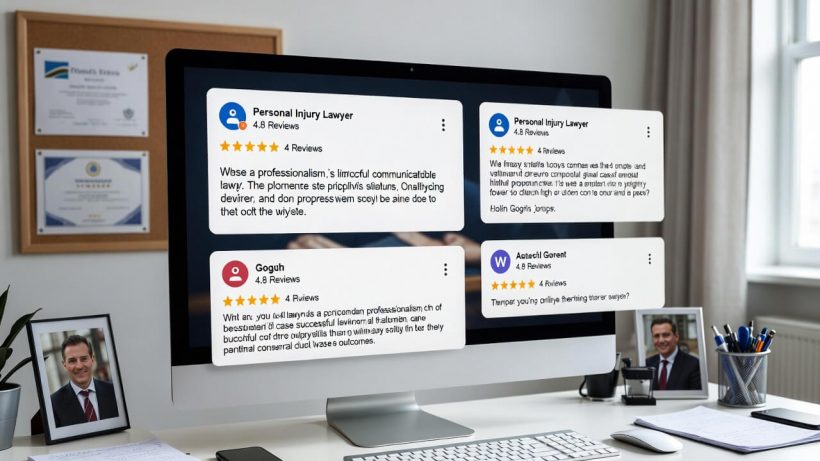
Reviews can make or break a personal injury practice. When potential clients compare firms, star ratings and review content heavily influence their decisions.
Consider this: a 4.8-star rating feels trustworthy. A 3.2-star rating raises red flags. And no reviews at all? That’s almost as bad as the negative ones.
Google reviews matter most because they appear directly in search results. Focus your review collection efforts here first.
Here’s how to systematically build your review profile:
- Ask at the right moment — The best time to request a review is immediately after a positive interaction, not months after a case settles
- Make it simple — Send clients a direct link to your Google review page
- Respond to every review — Thank positive reviewers and address negative ones professionally
- Don’t ignore other platforms — Avvo, Yelp, and Facebook reviews also influence potential clients
Never buy fake reviews or offer incentives for positive reviews. Google penalizes this behavior, and the reputational damage when discovered far outweighs any short-term benefit.
8. Respond to Leads Fast—Really Fast
Speed kills in personal injury lead conversion. The firm that responds first often wins the case.
Research consistently shows that responding to inquiries within 5 minutes dramatically increases conversion rates compared with responses that take an hour or longer. Most accident victims contact multiple firms, and they typically go with whoever gets back to them first.
Build systems that enable rapid response:
- Answering services — Use a 24/7 legal intake service so calls never go to voicemail
- Automated confirmations — Set up instant email or text responses acknowledging form submissions
- Live chat — Add chat to your website so visitors can connect immediately
- Call tracking alerts — Get instant notifications when potential clients call
It’s not enough to respond quickly once—you need persistent follow-up. If you don’t reach someone on the first attempt, try again. Multiple contact attempts over several days significantly increase your chances of converting leads into signed clients.
9. Use Video to Build Trust Before the First Meeting
Video marketing creates a connection that text alone can’t match. When potential clients see and hear you, they begin to develop trust before they ever walk through your door.
YouTube is the second-largest search engine, and it’s an underutilized channel for most personal injury attorneys.
Video content ideas that work:
- FAQ videos answering common questions (“What happens after I file a personal injury claim?”)
- Case result videos (with client permission) sharing outcomes
- Educational content explaining legal concepts in plain language
- Attorney introductions so clients feel like they know you
- Testimonial videos from satisfied clients
You don’t need expensive production. A smartphone, decent lighting, and a simple script are enough to get started. Authenticity matters more than polish.
Upload videos to YouTube with keyword-optimized titles and descriptions, then embed them on your website. This approach strengthens both your YouTube presence and your website’s SEO.
10. Engage With Your Community
Community involvement builds local brand recognition and generates goodwill that translates into referrals and cases over time.
Effective community engagement tactics include:
- Sponsorships — Support local sports teams, charity events, and community organizations
- Safety initiatives — Host bicycle helmet giveaways, car seat checks, or drunk driving prevention campaigns
- Scholarships — Create college scholarships for local students
- Educational workshops — Offer free seminars on legal rights after accidents
- Pro bono work — Represent clients who can’t afford legal help
These activities generate positive media coverage and position your firm as a caring community member, not just another billboard advertiser. They also create natural networking opportunities that lead to referrals.
11. Run Targeted Social Media Advertising
Social media advertising offers precise targeting options that traditional advertising can’t match. Facebook and Instagram ads, in particular, can effectively reach potential personal injury clients.
Key social advertising strategies:
Retargeting campaigns — Show ads to people who visited your website but didn’t contact you. They’ve already shown interest; a reminder ad can bring them back.
Demographic targeting — Focus on geographic areas and demographics most likely to need personal injury representation.
Testimonial-based creative — Ads featuring real client testimonials outperform generic promotional content.
Video ads — Short video content typically generates higher engagement than static images.
Social media won’t produce immediate leads like search advertising, but it builds awareness that pays off over time. Someone who sees your firm’s ads repeatedly will remember you when they need help.
12. Email Marketing to Stay Top-of-Mind
Email keeps your firm in front of contacts who might refer cases or need your services in the future.
Build your email list from website visitors, past clients, professional contacts, and networking events. Then nurture that list with valuable content.
Effective email content for personal injury attorneys:
- Safety tips and accident prevention advice
- Updates on relevant legal news and changes
- Case results (anonymized as needed)
- Holiday greetings and firm updates
Don’t hard-sell in every email. The goal is staying top-of-mind so that when someone in your network knows an accident victim, they think of your firm first.
13. Consider Traditional Advertising Strategically
Digital marketing dominates, but traditional advertising still has a place—especially for brand building in local markets.
Billboards near hospitals or high-traffic accident areas can generate awareness. Radio ads reach commuters who might remember your jingle after an accident. TV commercials, while expensive, build broad recognition.
The key is understanding that traditional advertising works differently than digital. You’re not generating direct leads; you’re building brand recognition that influences future decisions.
Reality check: Traditional advertising requires significant budget to be effective. If you’re choosing between spending $5,000 on billboards or SEO, the SEO investment will likely produce better returns for most firms.
14. Track Everything and Optimize
Marketing without measurement is guessing. You need to know which strategies actually bring in cases—and which ones waste money.
Essential metrics to track:
| Metric | What It Tells You |
|---|---|
| Cost per lead | How much you’re paying to generate each inquiry |
| Cost per client | Your actual client acquisition cost by channel |
| Conversion rate | What percentage of leads become signed clients |
| Lead source | Which channels generate the most (and best) leads |
| Case value by source | Which marketing channels bring higher-value cases |
Use call tracking software like CallRail to attribute phone leads to their source. Implement proper form tracking through Google Analytics. Review your data monthly and adjust your strategy based on what’s working.
Many firms are surprised to discover that their most expensive marketing channel produces lower-quality leads than cheaper alternatives. You won’t know without tracking.
15. Hire Professional Help When Needed
Marketing a personal injury practice is complex, and doing it well takes significant time and expertise. At some point, you’ll need to decide whether to handle marketing in-house or hire SEO professionals.
Signs you need outside help:
- Your marketing isn’t producing consistent results
- You’re spending money without tracking ROI
- You don’t have time to manage campaigns properly
- Competitors are dominating search results in your market
When evaluating law firm marketing agencies, look for legal industry experience, transparent reporting, clear pricing, and references from other personal injury firms. Ask detailed questions about their approach before signing any contracts.
Frequently Asked Questions
How much should a personal injury law firm spend on marketing?
Most successful personal injury firms invest 5-15% of revenue in marketing. Newer firms often need to spend more aggressively (up to 20%) to establish their presence, while established firms with strong referral networks can spend less. The right budget depends on your market’s competitiveness and your growth goals.
What’s the best marketing channel for personal injury lawyers?
There’s no single “best” channel—the most effective strategy combines multiple approaches. That said, organic SEO and Google Business Profile optimization typically deliver the highest long-term ROI for most personal injury practices. PPC advertising provides faster results but at a higher cost.
How long does it take to see results from personal injury marketing?
PPC advertising can generate leads immediately. SEO typically takes 6-12 months to produce significant results. Referral networks take even longer to build but become increasingly valuable over time. Plan for a 12-18 month timeline before expecting your marketing to run at full effectiveness.
Should I buy personal injury leads?
Purchased leads are typically lower quality than leads you generate yourself, and you’re often competing with multiple firms for the same prospect. Lead buying can supplement your marketing, but building your own lead-generation systems yields better results in the long term.
How important are reviews for personal injury attorneys?
Extremely important. Reviews directly influence both search rankings and consumer decisions. A strong review profile (4.5+ stars with 50+ reviews) significantly increases conversion rates compared to firms with few or no reviews.
Conclusion
Getting more personal injury clients comes down to building systems—not chasing one-off tactics. The most successful firms combine a strong online presence, strategic advertising, referral networks, and excellent client service into a repeatable process that consistently attracts high-value cases.
Start by auditing your current marketing. Which of these strategies are you using? Which ones are you missing? Pick 2-3 areas to improve first, implement them properly, then add more over time.
Marketing a personal injury practice is a marathon, not a sprint. The firms that win are the ones that commit to consistent effort across multiple channels—and track their results every step of the way.