Criminal defense marketing separates struggling law firms from thriving practices. When someone faces charges, they immediately search online for help. Your job is to make sure they find you first.

The numbers tell the story. Over 96% of people seeking legal help start with a search engine. They’re comparing attorneys, reading reviews, and making decisions in minutes—not days.

If your firm isn’t showing up when potential clients search “criminal defense lawyer near me,” you’re invisible when it matters most.

This guide covers the marketing strategies that actually work for criminal defense attorneys in 2026. No fluff. Just practical tactics you can implement today to attract more qualified leads.

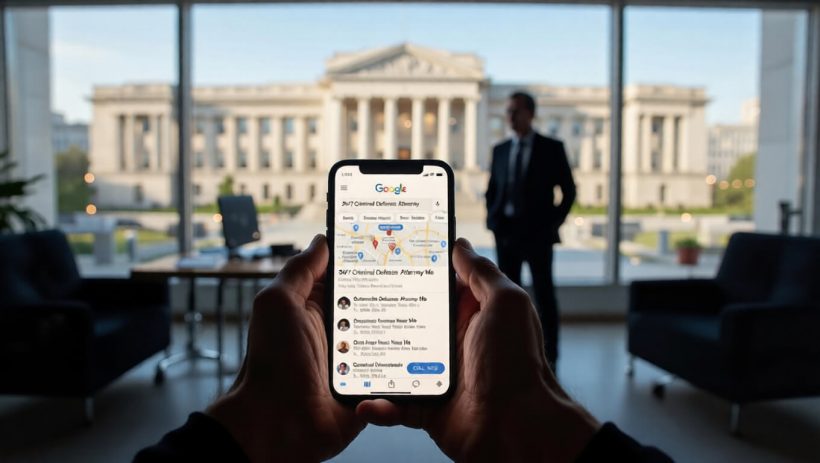
A person urgently searching on a smartphone for a criminal defense attorney, with a lawyer and courthouse visible in the background

Key Takeaways

  • A mobile-optimized website with clear calls-to-action can double your conversion rate
  • Local SEO and Google Business Profile drive 40-50% of criminal defense leads
  • Legal directories like Avvo and Justia provide high-intent traffic at low cost
  • Client reviews influence 95% of hiring decisions—make review generation a priority
  • Google Ads deliver immediate visibility while SEO builds long-term traffic

Why Criminal Defense Firms Need Strategic Marketing

Criminal defense is one of the most competitive practice areas. Over 252,000 criminal defense lawyers operate in the United States, all competing for the same clients.

But here’s the thing: most firms still rely on referrals alone.

That worked 20 years ago. Today, 81% of clients research law firms online before making contact. Even when someone gets a referral, they’ll still Google your name to verify you’re legitimate.

Clients who find you through marketing are ready to hire. They’ve already decided they need legal help—they’re just choosing which attorney to call.

A solid criminal defense advertising strategy helps you reach potential clients at the exact moment they need you most. Done right, it creates a predictable flow of qualified leads instead of feast-or-famine referral cycles.

1. Build a Website That Converts Visitors Into Clients

Your website is often the first—and sometimes only—impression potential clients get of your firm.

Most criminal defense websites fail at one critical job: converting visitors into phone calls or form submissions. They look professional enough, but they don’t answer the urgent questions stressed clients are asking.

What Your Website Must Address

When someone faces criminal charges, they’re panicking. Your site needs to answer immediately:

  • What should I do right now?
  • How serious are the potential consequences?
  • Can you actually help my situation?
  • How much will this cost?

Structure your content to address these concerns directly. Create pages for each charge type you handle—DUI, drug offenses, domestic violence, theft—with specific information about penalties and defense strategies.

Mobile Optimization Is Non-Negotiable

78% of potential clients visit law firm websites on their phones. Many are searching from police stations, courthouses, or holding cells.

If your site loads slowly or looks broken on mobile, you’ve already lost them. Google also penalizes non-mobile-friendly sites in search rankings, so you’re hurting both user experience and visibility.

Test your site on multiple devices. Make sure click-to-call buttons are prominent. Simplify navigation so stressed visitors can find what they need in seconds.

Conversion Elements That Work

The highest-converting criminal defense websites include:

  1. Click-to-call buttons visible on every page
  2. Simple contact forms asking only essential information
  3. Live chat options for immediate engagement
  4. Response time guarantees displayed prominently

Pro tip: Law firms that display response time commitments see up to 40% more form submissions. If you can promise a callback within 15 minutes, say so.

Include anonymized case results whenever possible. Potential clients trust specific outcomes (“charges dismissed in 73% of first-time DUI cases”) more than vague claims about experience.

2. Dominate Local Search With Google Business Profile

When someone searches “criminal defense lawyer near me,” Google shows a map with three local businesses at the top. That’s called the Local Pack, and appearing there can transform your lead flow.

Your Google Business Profile controls whether you show up in these results. It’s free to set up, but most firms don’t optimize it properly.

Optimize Your Profile Completely

Fill out every field Google provides. Add:

  • Your business name, address, and phone number (keep these identical everywhere online)
  • Business hours, including emergency availability
  • All practice areas and criminal charge types you handle
  • Photos of your office (exterior and interior) and team
  • A detailed business description with your target keywords

Post updates weekly. Share legal tips, case outcomes (anonymized), or answers to common questions. Active profiles rank higher than dormant ones.

Generate and Respond to Reviews

Reviews are the single biggest factor in Local Pack rankings after proximity and relevance.

Ask every satisfied client for a review immediately after their case resolves—when gratitude is fresh. Make it easy by sending a direct link to your Google review page via text or email.

Respond to every review, positive or negative. Thank happy clients specifically. Address negative reviews professionally and briefly, offering to discuss concerns offline. Your response shows potential clients how you handle problems.

3. Get Listed in Legal Directories

Legal directories like Avvo, Justia, FindLaw, and SuperLawyers attract millions of people actively searching for attorneys. These aren’t casual browsers—they’re potential clients with immediate legal needs.

Directories also pass valuable backlinks to your website, boosting your SEO authority. And they rank well on Google, so your directory profile might appear in search results even when your website doesn’t.

Directory Optimization Essentials

Claim profiles on all major legal directories. Then optimize each one:

  • Use your primary keywords in your headline and bio
  • Keep your name, address, and phone number exactly identical across all platforms
  • Add professional photos and any awards or certifications
  • Request reviews specifically for high-traffic directories like Avvo

Consider premium placements on one or two top directories. Paid listings often appear above free profiles and can deliver a strong ROI for competitive practice areas.

For criminal defense firms specifically, criminal defense lawyer directories provide targeted visibility to people searching your exact practice area.

4. Create Content That Answers Client Questions

Content marketing isn’t about churning out blog posts. It’s about answering the exact questions your potential clients type into Google.

Think about what someone facing charges needs to know:

  • “What happens after a DUI arrest?”
  • “Can I refuse a field sobriety test?”
  • “How long does a criminal case take?”
  • “What’s the difference between a misdemeanor and felony?”

When your website provides clear, helpful answers to these questions, two things happen. First, you rank for those search terms and attract organic traffic. Second, visitors see you as knowledgeable and trustworthy—making them more likely to call.

Content That Converts

The best criminal defense content combines education with soft selling. Explain the legal issue, then naturally mention how an attorney can help.

End every article with a clear call-to-action. “Questions about your specific situation? Contact our office for a free consultation.” Don’t assume readers will know what to do next.

Structure matters. Break content into short paragraphs. Use headers to let readers scan. Include bullet points for lists. Make sure the most important information appears near the top.

If you handle multiple charge types, create dedicated pages for each one. A comprehensive DUI page targeting “DUI lawyer [your city]” can rank for multiple valuable keywords.

5. Invest in Google Ads for Immediate Visibility

SEO takes months to show results. Google Ads puts you at the top of search results today.

For criminal defense marketing, Google Ads delivers high-intent leads because you’re targeting people actively searching for legal help. Someone who types “criminal defense attorney free consultation” is ready to hire—they just need to choose who.

Running Effective Criminal Defense Campaigns

Target specific, high-intent keywords like:

  • “DUI lawyer near me”
  • “criminal defense attorney [your city]”
  • “drug possession lawyer free consultation”
  • “domestic violence defense attorney”

Avoid broad keywords like “lawyer” or “legal help.” You’ll pay for clicks from people who need divorce attorneys or help with contracts—not criminal defense.

Create dedicated landing pages for each ad campaign. If your ad promotes DUI defense, the landing page should focus exclusively on DUI, not your general practice areas.

Local Service Ads: Pay Per Lead

Google’s Local Service Ads appear above traditional search ads and display your photo, reviews, and contact information directly in search results.

Unlike regular Google Ads where you pay per click, LSAs charge per lead—meaning you only pay when someone actually contacts you. This can provide better ROI for criminal defense firms, though lead quality sometimes varies.

To qualify for LSAs, you’ll need to pass Google’s verification process, including background checks and license verification.

6. Build Your Reputation Through Reviews

95% of potential clients read reviews before hiring an attorney. Reviews are no longer optional—they’re a core component of criminal defense lawyer marketing.

Beyond influencing hiring decisions, reviews directly impact your search rankings. More positive reviews mean better visibility in Google’s Local Pack and improved trust signals across your online presence.

Systematic Review Generation

Don’t leave reviews to chance. Create a process:

  1. Identify satisfied clients during or immediately after their case
  2. Send a direct link to your Google review page via text (higher response rate than email)
  3. Follow up once if they don’t respond within a few days
  4. Express genuine appreciation when reviews come in

Timing matters. Request reviews right after positive outcomes when clients feel grateful and relieved.

Handling Negative Reviews

Negative reviews happen. How you respond matters more than the review itself.

Keep responses brief and professional. Acknowledge the concern without being defensive. Offer to discuss the matter offline. Future clients will see your response and judge whether you handle problems maturely.

Never violate attorney-client privilege in review responses—even if the client shared confidential information in their review.

7. Leverage Social Media (Especially YouTube)

Social media won’t be your primary lead source for criminal defense. But it builds brand awareness and establishes authority over time.

Focus on platforms where your potential clients actually spend time. For criminal defense, that means:

YouTube ranks as the second-largest search engine worldwide. People search YouTube for questions like “what to do after a DUI arrest” or “what happens at an arraignment.” Create helpful videos answering these questions, and you’ll capture traffic competitors miss entirely.

Facebook lets you run targeted ads to people in your geographic area. It’s also useful for showcasing your firm’s personality through posts about case results, community involvement, or legal news.

LinkedIn works better for networking with other attorneys who might send referrals than for attracting criminal defense clients directly.

Video Marketing Builds Trust

Video creates connection in ways text can’t. Potential clients see your face, hear your voice, and get a sense of whether they’d trust you with their case.

You don’t need expensive production. Record short videos on your phone answering common questions. Keep them under 3 minutes. Upload to YouTube with keyword-optimized titles and descriptions.

Consider creating:

  • “What to do if you’re pulled over for DUI”
  • “Your rights during a police encounter”
  • “What happens at a criminal arraignment”
  • Attorney introduction videos for your website

8. Generate Referrals Systematically

Referrals remain powerful—around 40% of high-value criminal defense clients still come through professional referrals. But waiting passively for referrals isn’t a strategy.

Build Referral Relationships

Criminal defense attorneys should build relationships with:

  • Bail bondsmen who meet potential clients first
  • DUI attorneys for cross-referrals on felony charges
  • Civil attorneys whose clients sometimes face criminal issues
  • Public defenders who need to refer conflict cases

Don’t just collect business cards. Provide value to referral partners by sharing legal updates, offering to present at their events, or sending appropriate cases their way.

Make Referrals Easy

When someone wants to refer you, remove all friction. Provide referral partners with:

  • A direct phone line or cell number
  • Email templates they can forward
  • Business cards they can hand out
  • Clear description of your ideal case types

Follow up with referral sources after each case to report outcomes and maintain the relationship.

9. Track Your Marketing ROI

Many criminal defense firms can’t answer basic questions about their marketing: Which channels generate the most leads? What’s your cost per case? Which campaigns should get more budget?

Without measurement, you’re guessing. And guessing wastes money.

Essential Metrics to Track

Monitor at a minimum:

  • Lead source for every inquiry (how did they find you?)
  • Cost per lead by channel (Google Ads, SEO, directories, referrals)
  • Conversion rate from lead to retained client
  • Cost per case by marketing channel
  • Case value by lead source

Use call tracking software to attribute phone calls to specific marketing campaigns. Most website inquiries can be tracked through Google Analytics and CRM systems.

Calculate True ROI

Simple ROI formula: (Revenue from Marketing – Marketing Cost) ÷ Marketing Cost × 100

If you spend $5,000 on Google Ads and generate $25,000 in fees, your ROI is 400%. Compare this across channels to identify where additional investment makes sense.

10. Define Your Unique Selling Proposition

Why should clients hire you instead of the 50 other criminal defense attorneys in your area?

If you can’t answer clearly, neither can potential clients.

Your unique selling proposition (USP) might be:

  • Former prosecutor experience
  • Specific focus (DUI only, for example)
  • 24/7 availability
  • Flexible payment options
  • Exceptional track record with specific charge types
  • Deep community ties

Whatever differentiates you, make it prominent in all marketing. Your USP should appear on your website homepage, in ad copy, and in how you answer the phone.

11. Respond to Leads Immediately

Marketing gets potential clients to contact you. But if you don’t respond quickly, competitors will.

Studies show law firms lose significant business simply by failing to respond promptly to inquiries. Many firms never return calls or take days to respond to emails.

Speed matters enormously in criminal defense. Someone who just got arrested or received a court summons wants help now—not tomorrow.

Implement:

  • 24/7 answering service for after-hours calls
  • Automated text/email confirmation when someone submits a contact form
  • Response time goal (15 minutes or less during business hours)
  • Clear handoff process so no inquiry falls through cracks

The firm that responds first often wins the client, even if they’re not the “best” option.

Frequently Asked Questions

How much should criminal defense firms spend on marketing?

Most successful criminal defense firms invest 5-15% of gross revenue in marketing. Newer firms or those in competitive markets may need to spend more initially to establish visibility. Start with what you can afford, track ROI carefully, and scale up what works.

Which marketing channel works best for criminal defense attorneys?

No single channel works best for everyone. Most successful firms use a combination: Google Ads for immediate leads, SEO for long-term organic traffic, directories for credibility, and referral networks for high-value cases. Track your results to identify your best performers.

How long does SEO take to work for law firms?

Expect 4-6 months before seeing significant organic traffic improvements from SEO efforts. Competitive keywords in major markets may take longer. Google Ads can generate immediate visibility while you build organic rankings.

Should I hire a legal marketing agency?

If you lack time or expertise to manage marketing yourself, an agency can help. Choose one with specific experience in digital marketing for law firms—legal marketing has unique compliance requirements and competitive dynamics that general agencies may not understand.

Are legal directories worth paying for?

Free profiles on major directories are essential. Premium placements can work well in competitive markets where basic profiles get buried. Test one paid directory placement, track leads carefully, and expand if ROI justifies the cost.

Conclusion

Criminal defense marketing isn’t optional anymore—it’s essential for firm survival and growth.

The strategies that work best combine immediate visibility (Google Ads, directories) with long-term authority building (SEO, content, reviews). Start with your website and Google Business Profile, then expand to other channels as budget allows.

Track everything. Double down on what generates quality leads. Cut what doesn’t perform.

Most importantly, respond to inquiries immediately. The best marketing in the world can’t help if potential clients reach your voicemail and call someone else.

Ready to improve your firm’s visibility? Start by auditing your current online presence against the strategies in this guide. Identify your biggest gaps and tackle them one at a time.

For additional marketing insights specific to law firms, explore our guide on link building strategies for law firms and reputation management for lawyers.